OCR GCSE J277 and A Level H446
Revise smarter for OCR Computer Science.
Free exam-style questions, model answers and revision notes for GCSE and A Level. Tools for teachers too.
Most popular
GCSE students
5,600+ exam-style questions and 200+ knowledge organisers for J277.
Start GCSE revisionA Level students
1,400+ questions and revision notes for every H446 topic, with more added regularly.
Start A Level revisionFree for students. No subscription.
Built by a Computer Science teacher
Revise Computing is built by a Computer Science teacher. It includes questions and model answers mapped to OCR specification points, for retrieval practice across GCSE and A Level Computer Science.
GCSE · OCR J277
Everything you need to revise GCSE Computer Science.
Read the revision notes, practise exam-style questions, check model answers and track your progress. All free.
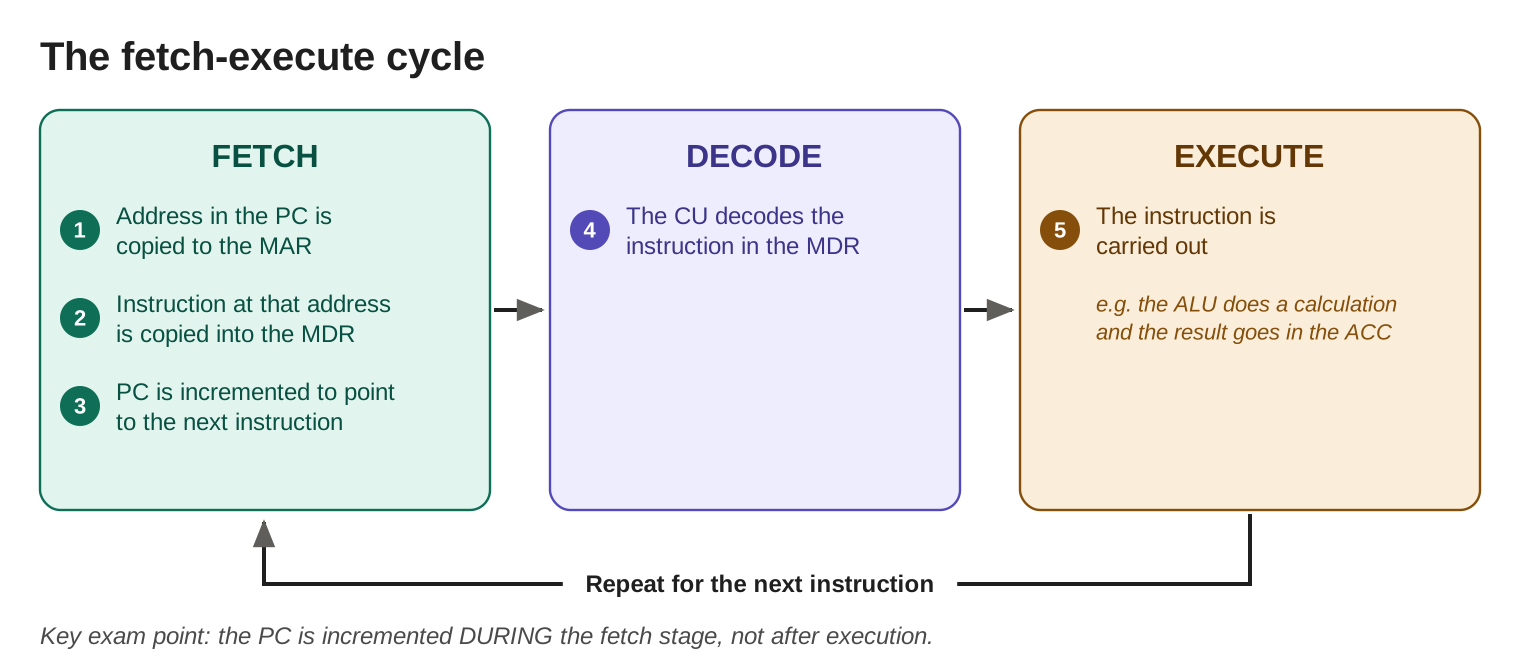
Revision notes for every topic
200+ knowledge organisers and 100+ diagrams across Paper 1, Paper 2 and programming practice. No account needed.
5,600+ questions
Exam-style practice covering the whole J277 specification.
Model answers
See what a full-mark answer looks like and why.
Track your progress
See which topics you're strong on and which need work.
Revisit mistakes
Go back to questions you got wrong until they stick.
Try a question
This is how practice works: answer, then compare with the model answer.
revisecomputing.co.uk/questions/data-representation
← Back to Topics
Data Representation
Question
What is the denary value of the binary number 1011?
Model Answer
Correct Answer:
11
To convert binary 1011 to denary: (1 × 2³) + (0 × 2²) + (1 × 2¹) + (1 × 2⁰) = 8 + 0 + 2 + 1 = 11
A Level · OCR H446
The same free revision, for A Level.
Revision notes for every topic and a question bank that grows every term.
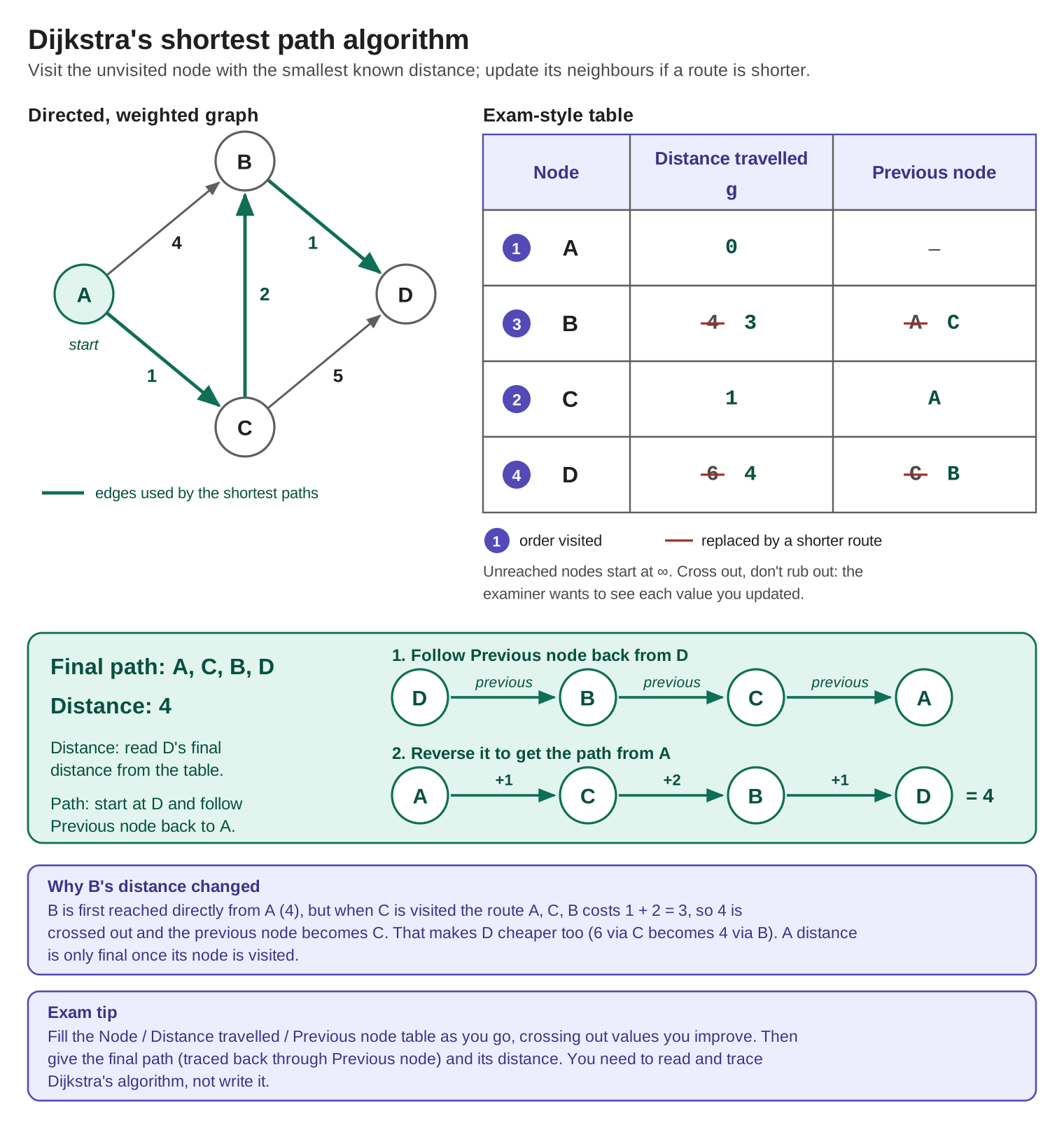
Revision notes for every H446 topic
Knowledge organisers for Computer systems and Algorithms and programming, with diagrams for the harder ideas. No account needed.
1,400+ questions, and growing
Exam-style questions with model answers. Track your progress and revisit the ones you got wrong.
For teachers
Set work, mark it and see where your classes need help.
School access is opening to a small number of schools first. Works for GCSE and A Level classes.
Set targeted assignments
Pick questions by topic and assign them to a class.
Mark and give feedback
Award marks and write feedback on each answer.
Spot gaps early
See performance by student, topic and assignment.
Free forever
For students
GCSE and A Level question banks, model answers, revision notes and personal progress tracking.
Early access · enquiry only
School access
Everything students get, plus:
- Student and class management
- Assignments, marking and written feedback
- Student and class analytics
We're onboarding schools one at a time so we can set things up properly with you. Pricing is shared when you get in touch.
Register your school's interest
Tell us a little about your department and we'll be in touch about early access or a demonstration.
Ready to improve your Computer Science revision?
Free for GCSE and A Level students. Start practising in under a minute.